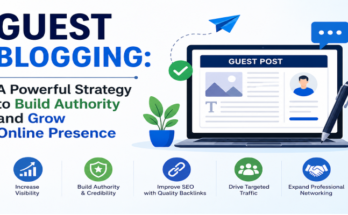
Guest posting is one of the most useful content marketing strategies for building an online presence, reaching new audiences and developing relationships with other website owners. Whether you are a blogger, business owner, digital marketer or SEO professional, contributing articles to relevant websites can help you grow your brand and attract valuable visitors.
However, finding websites that accept free guest posts is not always easy. Many websites charge publishing fees, while others have strict editorial guidelines or do not clearly advertise their submission process.
The good news is that plenty of websites still welcome high-quality guest contributions without charging a publishing fee.
In this guide, you will discover practical ways to find free guest posting opportunities, evaluate websites, prepare successful pitches and build a sustainable guest blogging strategy.
What Are Free Guest Posting Opportunities?
Free guest posting opportunities are websites, blogs and online publications that allow external writers to contribute original articles without paying a publishing fee.
In exchange, contributors may receive:
- Author recognition and brand exposure.
- Referral traffic from relevant readers.
- Opportunities to build professional relationships.
- A chance to demonstrate industry expertise.
- Relevant backlinks, where permitted by the publisher.
Not every website offers a backlink, and some may use sponsored or nofollow links. Always check the publisher’s editorial and linking policies before submitting your content.
1. Use Google Search to Discover Guest Posting Websites
Google is one of the easiest places to start searching for free guest posting opportunities.
Many website owners publish dedicated pages explaining how contributors can submit articles. You can discover these pages by using specific search operators.
Try searching for these phrases:
- “Write for Us” + your niche
- “Submit a Guest Post” + your industry
- “Guest Post Guidelines” + your topic
- “Become a Contributor” + your niche
- “Accepting Guest Posts” + your industry
- “Contribute an Article” + your topic
For example, if you operate a digital marketing blog, search for:
- Digital marketing write for us.
- SEO blogs accepting guest posts.
- Free technology guest posting websites.
- Submit a marketing article for free.
These searches help you discover websites that are actively looking for contributors.
2. Explore Guest Posting Directories
Guest posting directories can save time because they organise websites into different categories.
Instead of manually searching Google for every opportunity, you can explore websites that list blogs accepting guest articles.
Look for directories covering:
- Digital marketing and SEO.
- Business and entrepreneurship.
- Technology and software.
- Lifestyle and fashion.
- Travel and tourism.
- WordPress
- Web Development
Choose websites that are relevant to your subject rather than submitting articles to unrelated platforms.
You can also explore guest posting resources on GuestPost4U.com to discover content publishing opportunities.
3. Research Your Competitors’ Backlinks
Competitor research is another effective way to discover potential guest posting websites.
If another website in your industry regularly publishes guest contributions, its backlink profile may reveal useful opportunities.
Follow these steps:
- Identify three to five websites competing in your niche.
- Analyse their backlinks using SEO tools such as Ahrefs, Semrush or Moz.
- Look for links coming from blogs, industry publications and contributor websites.
- Visit those websites and check whether they accept guest articles.
- Record the submission guidelines and contact information.
Remember that a backlink does not automatically mean a website accepts free guest posts. Check its current publishing policy before contacting the editor.
4. Find Guest Posting Opportunities Through Social Media
Social media platforms can also help you discover publishers searching for fresh content.
Try searching on LinkedIn, Facebook, X and relevant blogging communities using phrases such as:
- Guest post opportunities.
- Looking for guest bloggers.
- Accepting guest contributors.
- Write for us opportunities.
- Blogger collaboration.
You can also follow website owners, editors, content managers and digital marketing professionals.
Building genuine relationships can make it easier to discover opportunities before they are publicly advertised.
5. Check Website Quality Before Submitting
Finding a website that accepts free guest posts is only the first step. You should also check whether it is worth contributing to.
Consider these important factors:
- Relevant Content: Does the website publish articles related to your industry?
- Organic Traffic: Does it receive genuine visitors from search engines?
- Content Quality: Are its articles original, informative and professionally written?
- Website History: Does it have a consistent publishing history?
- Audience Engagement: Do readers interact with its content?
- Editorial Standards: Does it review articles before publishing them?
Avoid websites created exclusively to sell backlinks or publish large amounts of unrelated, low-quality content.
A relevant website with a genuine audience is generally more valuable than an unrelated website with impressive-looking SEO metrics.
6. Prepare a Professional Guest Post Pitch
Once you identify a suitable website, contact its editor with a short and personalised email.
Avoid sending generic messages to hundreds of websites. Explain why your article would be useful to their readers.
Your pitch should include:
- A short introduction.
- Your proposed article title.
- A brief explanation of the topic.
- Why the article suits their audience.
- Examples of your previous writing, if available.
Example guest post email:
Subject: Guest Article Contribution for Your Website
Hello,
I recently visited your website and enjoyed reading your content. I would like to contribute an original, informative article that provides practical value to your readers.
Here are a few suggested topics:
1. Practical SEO Strategies for Small Businesses.
2. How Content Marketing Helps Build Online Visibility.
3. Essential Blogging Tips for Beginners.
The article will be original, well-researched and written according to your editorial guidelines.
Please let me know if you are currently accepting free guest contributions.
Thank you for your time.
Best regards,
[Your Name]
7. Write High-Quality Articles That Editors Want to Publish
A successful guest post should offer genuine value rather than simply exist to obtain a backlink.
Before writing, research the website’s existing content and identify topics that could provide additional information to its readers.
Follow these writing practices:
- Create an original and engaging headline.
- Use clear headings and subheadings.
- Include practical examples and actionable advice.
- Add relevant statistics where reliable sources are available.
- Use short paragraphs for better readability.
- Avoid keyword stuffing and unnecessary promotional content.
- Check spelling, grammar and factual accuracy.
Your objective should be to publish something readers genuinely want to read and share.
8. Maintain a Guest Posting Opportunity List
Managing multiple guest posting opportunities becomes difficult without proper organisation.
Create a spreadsheet to track your outreach activities.
Suggested columns include:
- Website name.
- Website URL.
- Industry or category.
- Submission guidelines.
- Contact email.
- Free or paid submission.
- Article topic.
- Submission date.
- Publication status.
- Published article URL.
Review your list regularly and follow up politely when necessary.
This simple process helps you save time and develop long-term relationships with publishers.
Common Guest Posting Mistakes to Avoid
Many beginners make mistakes that reduce their chances of getting published.
Here are some common problems to avoid:
1. Submitting duplicate articles: Always provide original content.
2. Ignoring editorial guidelines: Follow the publisher’s requirements carefully.
3. Choosing irrelevant websites: Focus on your actual industry.
4. Sending generic emails: Personalise your outreach messages.
5. Overusing backlinks: Links should be relevant and editorially appropriate.
6. Ignoring website quality: Check the publication’s reputation and content standards.
7. Expecting instant results: Guest blogging is a long-term content marketing activity.
Benefits of Finding Free Guest Posting Opportunities
When approached correctly, guest blogging can support several areas of digital marketing.
Increased Brand Awareness: Your content reaches readers who may not have discovered your website otherwise.
Referral Traffic: Readers can visit your website through relevant links and author profiles.
Industry Relationships: Working with other publishers creates opportunities for collaboration.
Content Authority: Publishing useful articles across reputable industry websites helps demonstrate your expertise.
SEO Benefits: Editorially earned links may support search visibility when they come from relevant, trustworthy sources. However, Google does not guarantee rankings from guest posts, and excessive link-building campaigns intended to manipulate rankings can violate its spam policies.
Final Thoughts
Finding free guest posting opportunities does not need to be complicated. With the right research, a clear outreach strategy and valuable content, you can discover websites that welcome external contributors.
Start by using Google search operators, exploring guest posting directories, researching competitors and connecting with relevant publishers.
Most importantly, focus on quality instead of quantity. One genuinely useful article published on a relevant website can be more valuable than dozens of contributions on unrelated platforms.
Keep researching, writing and building relationships. Over time, guest blogging can become a valuable part of your content marketing and organic growth strategy.
Ready to explore more guest posting opportunities? Visit GuestPost4U.com and discover useful resources to help you improve your content publishing and blogging journey.